


Life is an Adventure. Let’s Explore the Journey Together!
In education and expanded learning, we often take the path less traveled – the unpaved trail that leads to exploration and adventure! The BOOST Breakfast Club Blog is excited to spotlight the journeys of the BOOST Leadership and BOOST Ambassador teams in the Fall 2025 Collaborative Blog Series – Share Your Career Journey: Explore the Path We’ve Traveled. Thank you to these important BOOST partners for adventuring into the unknown for the betterment of our youth and communities.
As the sun begins to set on the trail, let’s take our final blog journey with Dwayne Wiggins, Jr. (He / Him / His). Thank you, Dwayne, for inviting us to join your journey! We appreciate you!
Explore the Path We’ve Traveled with BOOST Leadership Team Member, Dwayne Wiggins, Jr. (He / Him / His)
Dwayne is the Program Manager of College Town for Reality Changers in San Diego, CA, and a proud member of the BOOST Leadership Team.
What is your career path journey? How did you get involved in the out-of-school time, expanded learning, and/or educational fields?
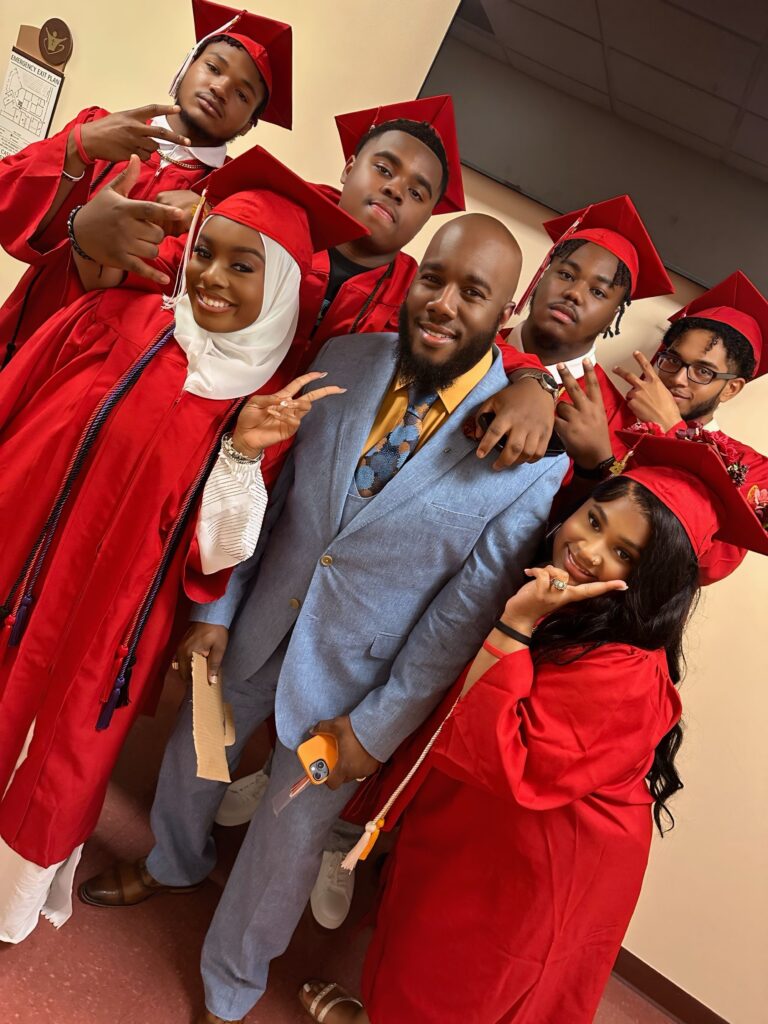
My career path in the out-of-school time field has been quite organic; I honestly just fell into it. As a teenager in Florida, I started helping out at various after-school programs. I quickly realized the profound impact these programs had on families and communities. Witnessing this transformation inspired me to stay involved and pursue a career in this area.
I know firsthand the difference that after-school programs can make, as they had a significant impact on my own life. This experience fueled my passion to give back and be part of the change I wanted to see. I’m committed to creating positive experiences for young people and supporting their growth beyond the classroom.
What part of your career path has surprised you most?
The most surprising part of my career path has been the depth of connection and community I’ve found within the out-of-school time and expanded learning fields. Initially, I expected to focus primarily on educational programming, but I quickly discovered how intertwined these programs are with the well-being and development of families.
Building relationships with students, parents, and community members has been incredibly rewarding. The stories of resilience and growth I’ve witnessed have inspired me in ways I never anticipated. It’s been a beautiful surprise to realize that my work goes beyond just education—it’s about fostering a supportive environment that truly empowers individuals and families.
Who has supported you on your journey as a mentor, colleague, or friend?
Throughout my journey, I’ve been fortunate to have incredible support from various mentors, colleagues, and friends. One of the most influential figures has been my first supervisor in the after-school program, who taught me the importance of building meaningful connections with students. Their guidance helped shape my approach to education and community engagement.
I’ve also had wonderful colleagues who have been there to share ideas and collaborate on projects. Their passion and commitment inspire me every day. Additionally, friends who understand the challenges and joys of working in this field have provided invaluable emotional support, reminding me of the impact we can have together.
Overall, it’s been a collective effort, and I’m grateful for each person who has contributed to my growth and development along the way.
What keeps you in the field?
What keeps me in this field is the profound impact I see our programs have on children and families. Each day, I’m reminded of the critical role that out-of-school time and expanded learning opportunities play in shaping young lives. Witnessing the growth, confidence, and joy in the students I work with fuels my passion and commitment.
Additionally, the sense of community and collaboration among colleagues and partners is incredibly motivating. We share a common goal of making a difference, and that collective effort is inspiring. Knowing that I’m part of a larger movement to create positive change in education keeps me focused and dedicated to this important work.
As you continue on the journey, what areas of leadership are you developing in yourself?
As I continue on my journey, I’m focusing on several key areas of leadership development. One area is emotional intelligence. I believe that being attuned to the emotions and needs of both my colleagues and the students we serve is crucial for effective leadership. By enhancing my ability to empathize and communicate, I aim to foster a more supportive and collaborative environment.
Another area I’m developing is strategic thinking. As I take on more responsibilities, I want to ensure that I can effectively plan and implement initiatives that align with our mission and goals. This involves not only setting clear objectives but also being adaptable to changing circumstances.
Lastly, I’m committed to enhancing my mentorship skills. I want to empower others by sharing my experiences and knowledge, helping them grow in their own careers. By nurturing future leaders, I hope to create a lasting impact in the field.
What skills are the most crucial to succeeding in this field?
In the field of out-of-school time and expanded learning, several skills are crucial for success:
1. Communication Skills: Being able to effectively communicate with students, parents, and colleagues is essential. This includes active listening, clear articulation of ideas, and the ability to adapt messages for different audiences.
2. Empathy and Emotional Intelligence: Understanding and relating to the experiences of students and families is key. Empathy helps in building trust and creating a supportive environment where everyone feels valued.
3. Collaboration and Teamwork: Working well with others—whether it’s fellow educators, community partners, or families—enhances program effectiveness. Collaborative skills foster a sense of community and shared purpose.
4. Adaptability and Problem-Solving: The ability to think on your feet and adjust to changing circumstances is vital in this dynamic field. Creative problem-solving helps address challenges that arise in program implementation.
5. Organizational and Planning Skills: Effective program planning and organization ensure that activities run smoothly and objectives are met. This includes managing resources, schedules, and participant engagement.
6. Cultural Competency: Understanding and respecting diverse backgrounds and perspectives is crucial for creating inclusive programs that meet the needs of all students.
What would you recommend others pack in their “career backpack”? Why are those items important?
If I were to recommend items for someone to pack in their “career backpack,” I would suggest:
1. A Growth Mindset: Embracing a growth mindset is vital for adapting to challenges and learning from experiences. This attitude fosters resilience and encourages continuous personal and professional development, which is essential in any career.
2. Strong Communication Skills: Effective communication is crucial for building relationships and collaborating with others. Whether it’s listening actively or articulating ideas clearly, strong communication skills help create a supportive environment and facilitate teamwork.
Tell us about your BOOST adventure? When did you get started?
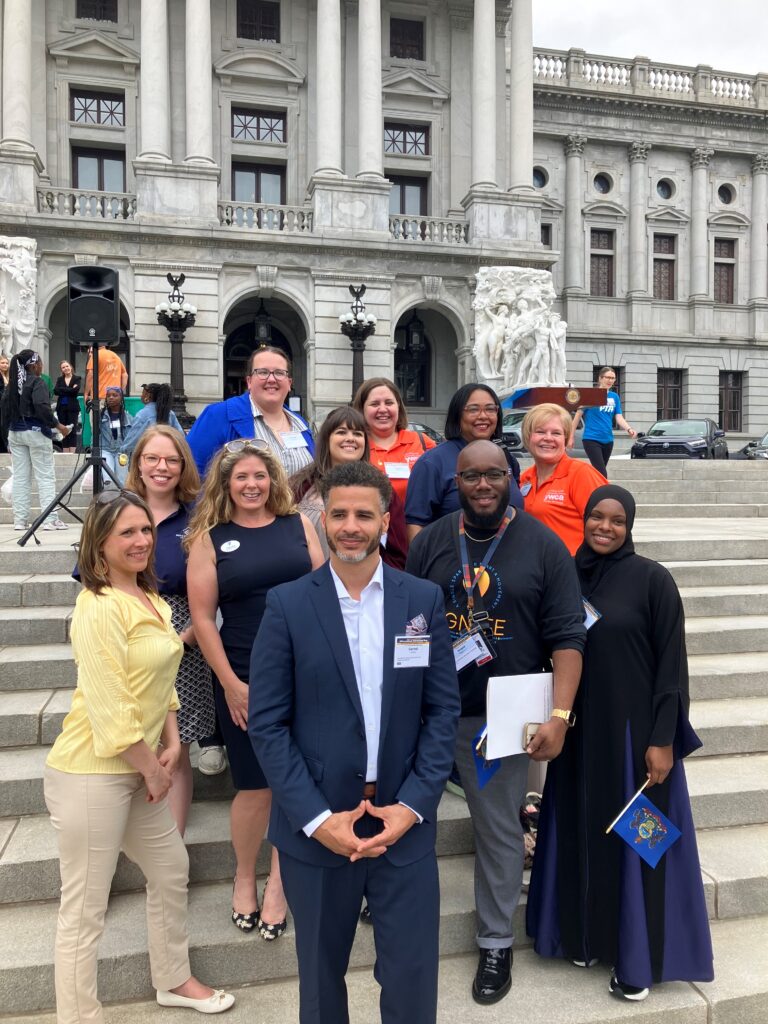
I started my BOOST Adventure in 2021 after meeting Tia Quinn during a virtual professional development training. During the PD session, Tia invited me to complete a presentation at the BOOST Conference. Since my first introduction to BOOST, I haven’t stopped attending.
What is the best mistake you have made in your career? What did you learn from it?
One of the best mistakes I made in my career was underestimating the importance of gathering input from my team before implementing a new program. I was eager to move forward with my ideas and thought I had a clear vision, but I quickly realized that I hadn’t considered the valuable perspectives and insights of my colleagues.
From this experience, I learned the importance of collaboration and inclusivity. Involving team members not only fosters a sense of ownership but also leads to more well-rounded and effective solutions. I now prioritize open discussions and encourage feedback, ensuring that everyone’s voice is heard before making decisions.
Today, for breakfast, I had…
Fruit.

Deanna Underwood
Dwayne – you’re so right! OST plays such a critical role in shaping young lives. We love having you as a part of TEAMBOOST!
Connor Finn
Loved reading this and getting to know more about you, Dwayne! I appreciate the emphasis on strategic thinking and organizational planning – you accomplish so much in your career, great to read your insight into what drives your success.
Meredith White
Dwayne! I really enjoyed reading about your personal areas of development, and found myself considering the sustainability pathway you have built in: emotional intelligence (building authentic relationships, self-awareness), to strategic thinking (vision and future-casting), to mentoring (ensuring organizational sustainability, building the capacity of self and others through relationships). It was an ‘a-ha’ moment for me, recognizing the intentionality you put into your self-development for the collective… that leader and leadership development is not for self, but for others! SO helpful!
Thank you for sharing your personal pathway – grateful for you! Meredith